In the world of thermal management, heat exchangers play a crucial role in efficiently transferring heat from one medium to another. For applications like HVAC systems, industrial cooling, and refrigeration, finned tubes have become the standard choice for enhancing heat dissipation. But what if we want to explore air cooling without relying on fins or tubes? Can solid metal alone do the job, or is this approach impractical?
In this blog, we’ll dive into the possibility of air cooling using solid metal, analyzing the pros and cons, and examining why fins and tubes are often preferred in modern heat exchange systems. By the end of this article, you’ll understand whether a finless approach can hold its own in real-world applications or if traditional designs still reign supreme.
The Role of Fins and Tubes in Heat Exchange
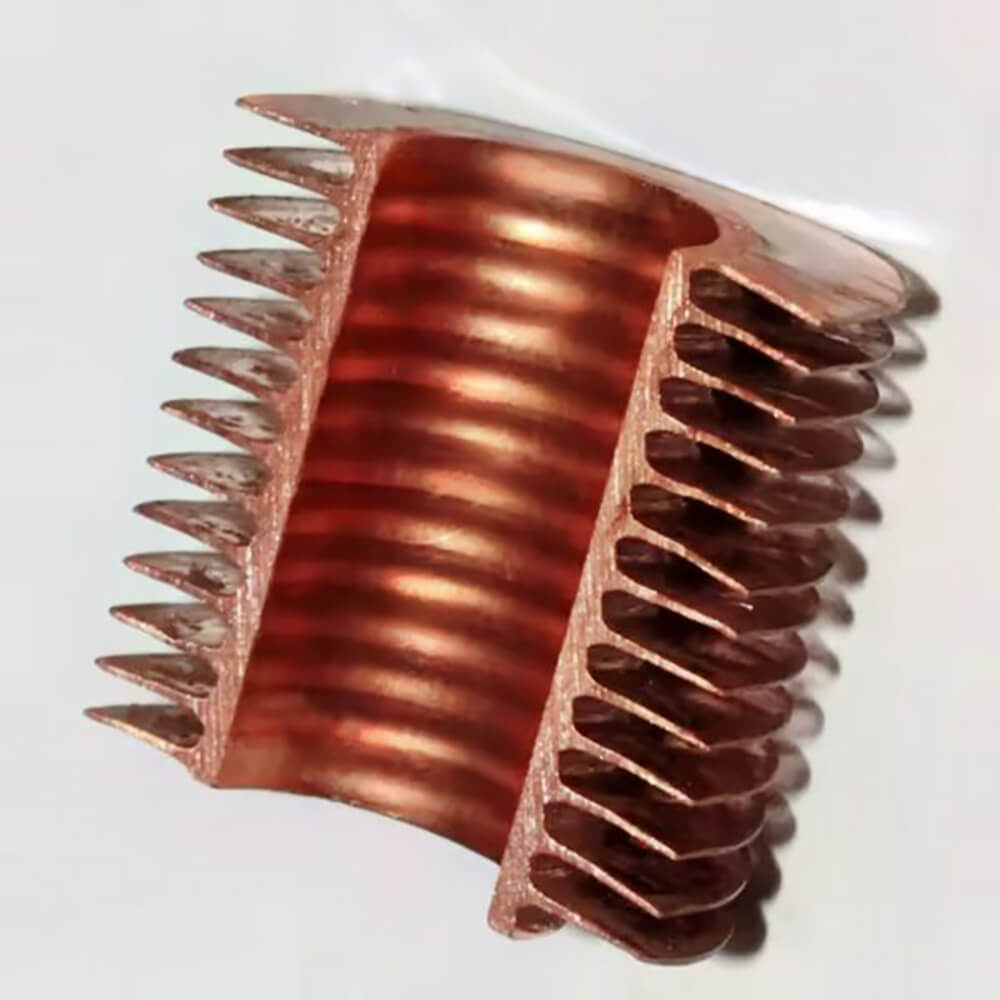
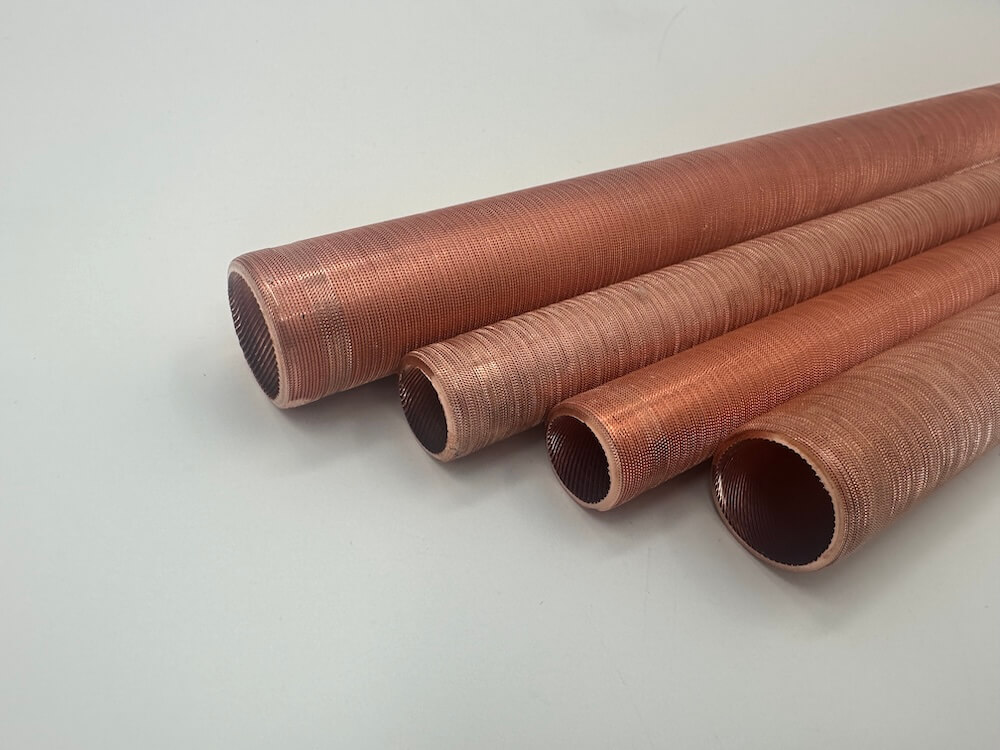
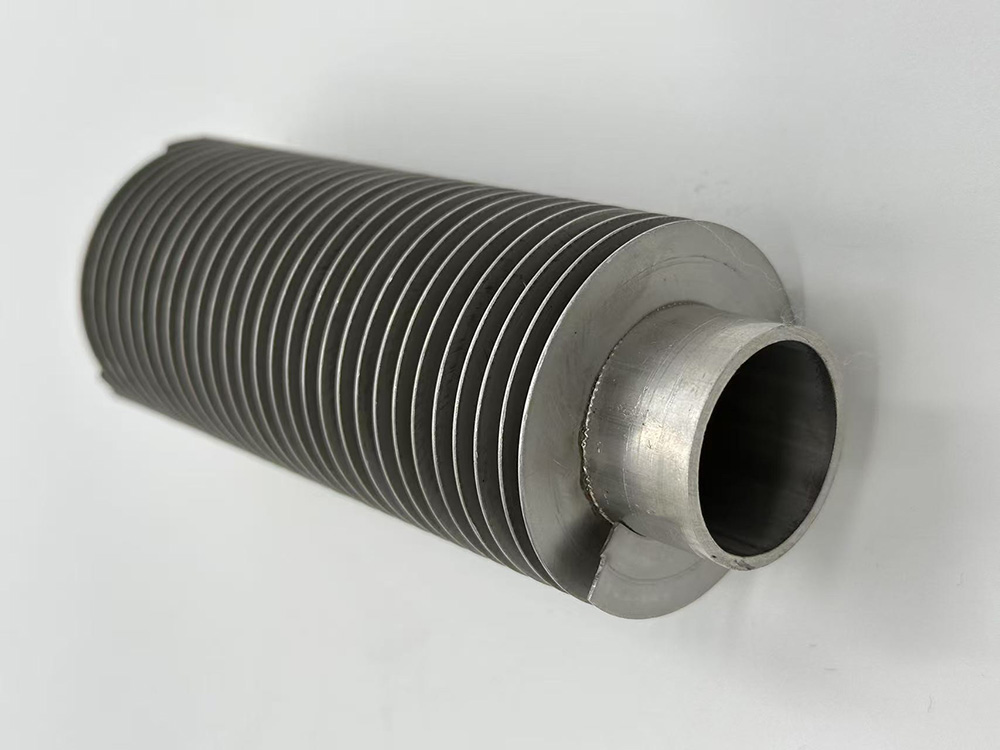
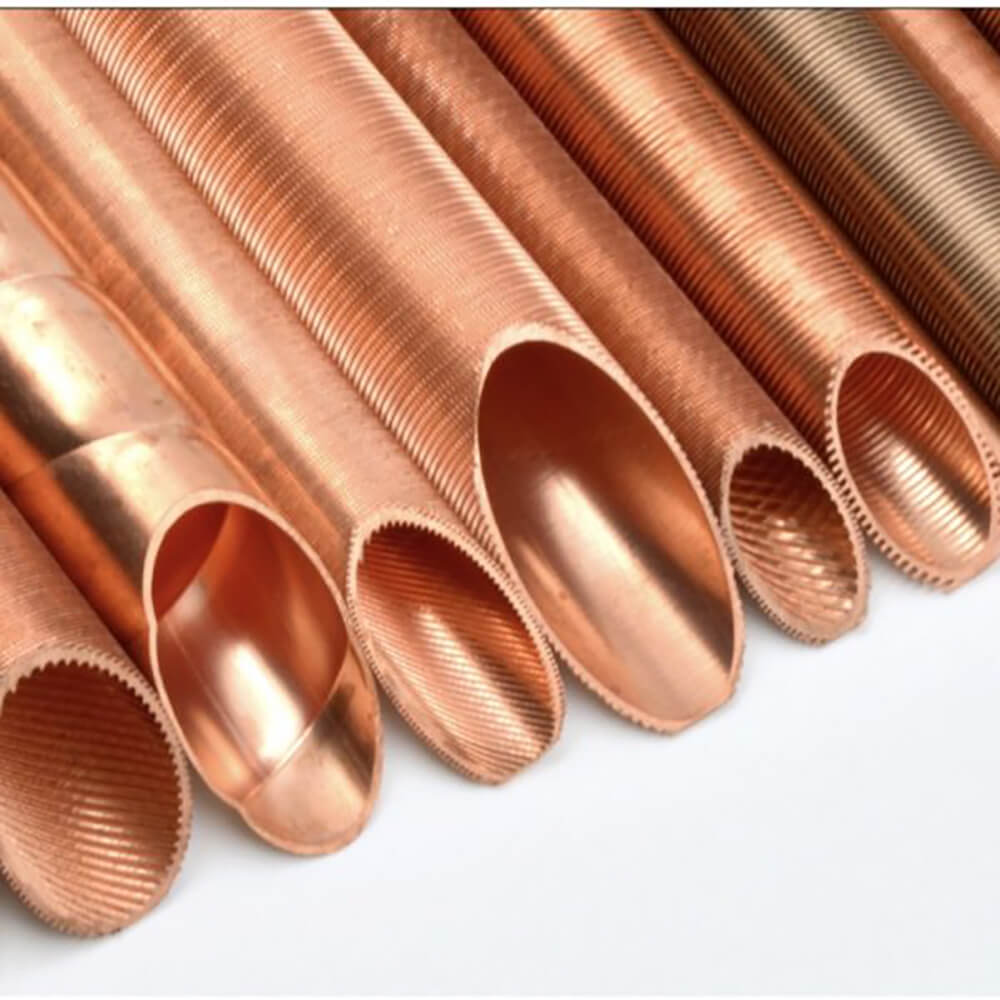
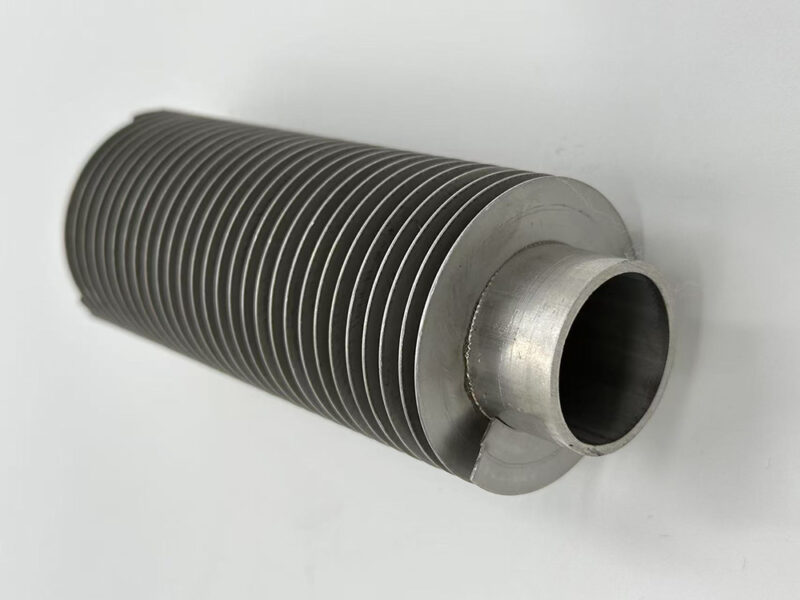
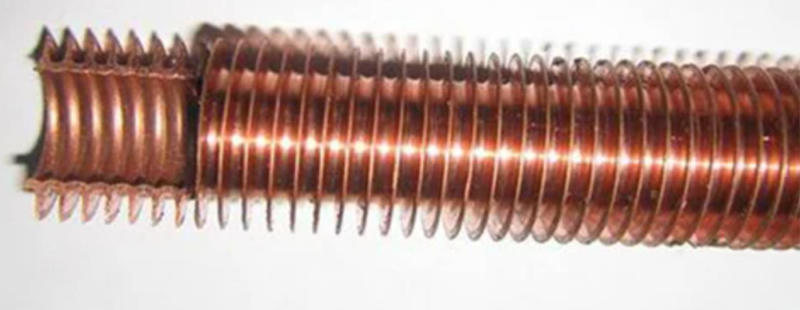
To appreciate the role of fins and tubes in heat exchange, it’s essential to understand their purpose. Fins and tubes are designed to increase the surface area in contact with air or other fluids. In simple terms, the more surface area available for heat transfer, the more efficient the cooling process.
Fins are usually attached to tubes that carry the coolant or refrigerant, and the air flows over these fins, absorbing heat. By increasing the surface area, the system can transfer more heat per unit of time. Without these additional surfaces, the heat exchange process becomes slower and less efficient.
Can Solid Metal Provide Effective Air Cooling?
Theoretically, solid metal can absorb and dissipate heat, as all materials conduct heat to some extent. However, there are limitations when it comes to air cooling. Let’s explore these limitations.
- Thermal Conductivity: Solid metals like aluminum, copper, and steel are good conductors of heat, which means they can transfer heat away from the source (such as an engine or electronic component). However, their thermal conductivity alone is not enough to make them efficient at transferring heat to the surrounding air. The surface area exposed to the air plays a significant role in the rate at which heat is dissipated.For example, a solid metal block will only dissipate heat based on its external surface area, which is relatively small compared to a finned tube design. In comparison, fins provide a larger surface area, leading to a greater heat transfer rate.
- Heat Dissipation Efficiency: In a typical finned tube design, heat is transferred from the fluid inside the tubes to the fins, and then the heat is radiated into the surrounding air. The fins act as extensions that increase the surface area without increasing the size of the heat exchanger significantly. Without fins, the heat dissipation would be slower, as solid metal surfaces would not be able to transfer heat to the air as efficiently.
- Air Movement: Another critical factor is air movement. In most cooling systems, fans or other air-moving equipment help increase the airflow over the fins or metal surfaces. Air that moves quickly can absorb heat more efficiently, whereas stagnant air leads to thermal buildup and reduces cooling effectiveness. Without fins or tubes, solid metal would rely entirely on natural convection, which is far less efficient at dissipating heat.
- Size Constraints: To achieve similar cooling effects as a finned system, you would need to significantly increase the size of the solid metal component. For instance, a large block of aluminum might dissipate heat more effectively than a smaller one, but even then, it would still struggle to outperform a finned tube heat exchanger that is specifically designed for high heat transfer rates. The size and weight of solid metal cooling solutions could make them impractical for many applications, especially where space and weight are critical factors.
Pros and Cons of Solid Metal Cooling
Let’s break down the potential advantages and disadvantages of using solid metal for air cooling.
Pros:
- Simplicity: Solid metal cooling systems don’t require complex designs or extra components like fins, tubes, or pumps. This could make them simpler and less costly to manufacture.
- No Moving Parts: Solid metal designs may not require moving parts like fans or pumps, reducing the likelihood of mechanical failure over time. This could be ideal in situations where reliability and longevity are paramount.
- Compact Design: In some situations, a small metal block could act as a passive heat sink, especially in low-power applications like small electronics or processors. This can be particularly useful in systems where a small form factor is important.
Cons:
- Inefficiency: Without fins, the metal’s heat dissipation ability is limited by its surface area. The absence of fins or tubes significantly reduces the heat transfer capacity and makes the system far less efficient than designs with expanded surface areas.
- Size and Weight: In order to dissipate enough heat without fins, the solid metal component would need to be large and heavy, which might not be practical in many industrial or commercial applications.
- Lack of Control: Solid metal cooling lacks the flexibility of active cooling systems, which use fans or pumps to control airflow. You cannot easily adjust the cooling performance in a solid metal system, whereas with fins and tubes, it’s easier to optimize airflow and heat transfer.
Why Fins and Tubes Are Preferred in Most Applications
Given the above limitations, fins and tubes remain the preferred design in most applications. The main reason for this is their ability to maximize the heat transfer process by significantly increasing surface area while keeping the overall system size manageable. Finned tube designs can accommodate high heat loads in compact spaces, making them ideal for industrial, HVAC, and automotive applications.
Moreover, finned tube heat exchangers can be adapted to different applications by adjusting the number of fins, their thickness, and material. This adaptability allows engineers to optimize the design for specific temperature, airflow, and space constraints.
When Would Solid Metal Be Suitable?
While fins and tubes are preferred for most large-scale heat exchange applications, there are cases where solid metal cooling systems might be more appropriate:
- Low-power applications: Small electronics or chips may use solid metal heat sinks to passively dissipate heat without the need for fans or pumps.
- Compact designs: In scenarios where space is limited and cooling demands are relatively low, a solid metal system can be a viable solution.
- Noisy environments: In noise-sensitive applications, such as in medical equipment or residential air conditioning, solid metal cooling can be more attractive since it avoids the noise associated with fans.
Conclusion
In conclusion, while it is technically possible to use solid metal for air cooling, it is far less efficient than designs that incorporate fins and tubes. Finned tube heat exchangers excel because they dramatically increase surface area, which facilitates better heat transfer and dissipation. Solid metal cooling systems are often limited by their size, inefficiency in heat dissipation, and inability to handle higher heat loads without becoming impractically large.
For high-performance cooling in industrial, HVAC, and refrigeration applications, fins and tubes are by far the more effective solution. Solid metal may work for low-power or specialized applications, but when cooling efficiency is the priority, the use of fins and tubes is indispensable.