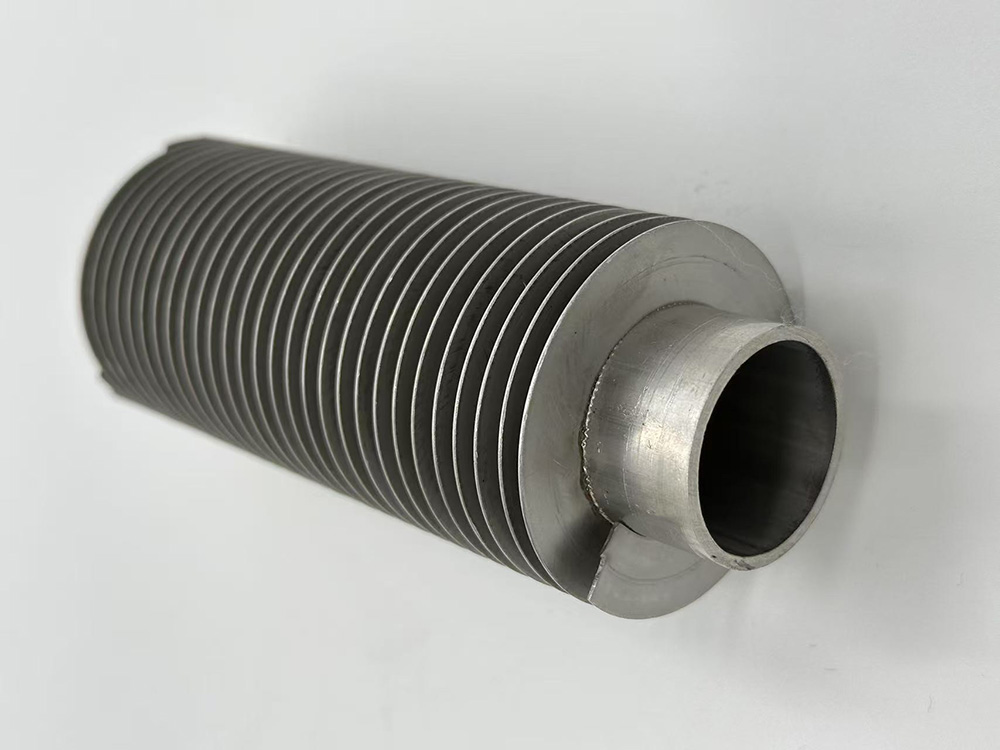
What Should Buyers Look for When Sourcing Finned Copper Tubes? Why Raw Material Quality Matters
Understanding the Materials Behind Reliable Heat Exchanger Performance
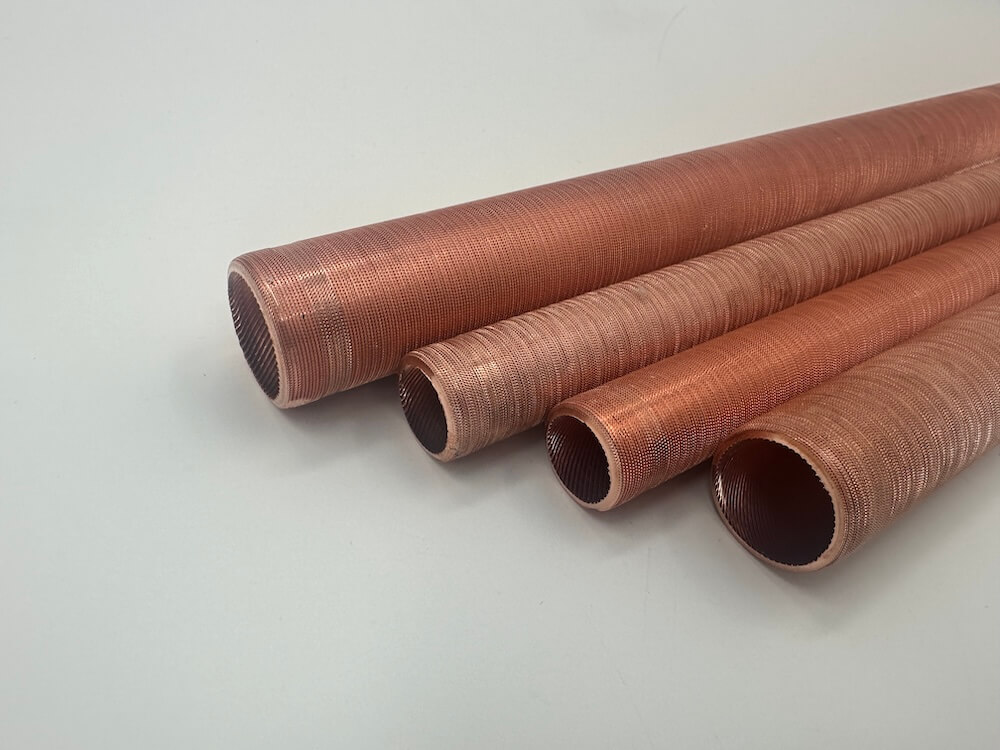
When sourcing finned copper tubes for heat exchangers, HVAC systems, condensers, or other industrial applications, buyers often compare prices, dimensions, and delivery times first. However, experienced purchasing managers understand that the quality of a finished product is closely connected to something that happens much earlier in the manufacturing process: raw material selection.
A finned copper tube may look perfect on the outside, but its actual performance depends heavily on the materials used in its production. Differences in copper grade, tube wall thickness, fin material, and material consistency can affect heat transfer performance, mechanical strength, durability, and service life.
So, what should buyers pay attention to when evaluating the raw materials used in finned copper tubes?
- Copper Grade: Start with the Right Material
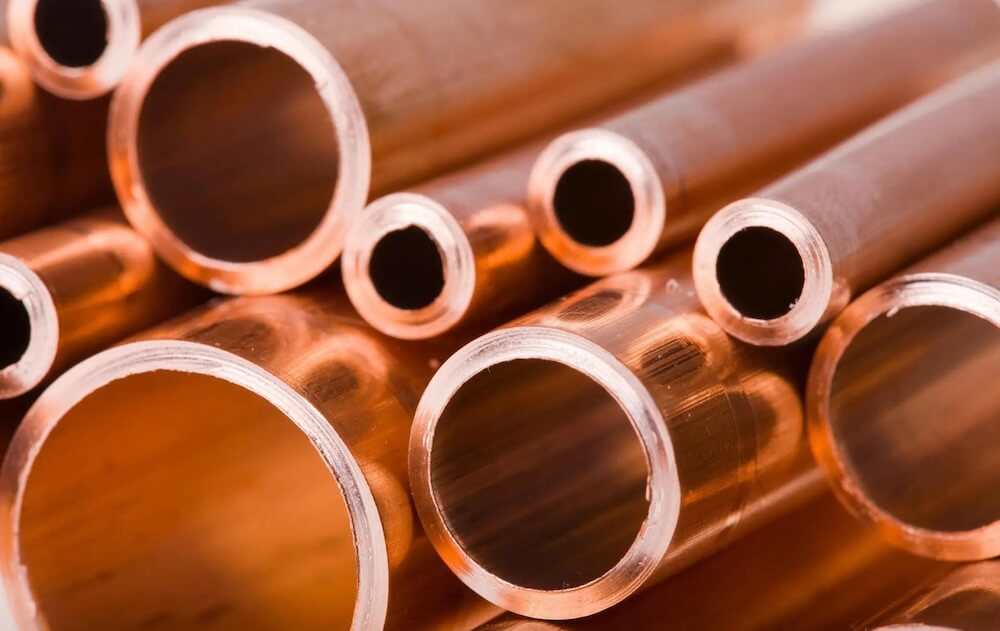
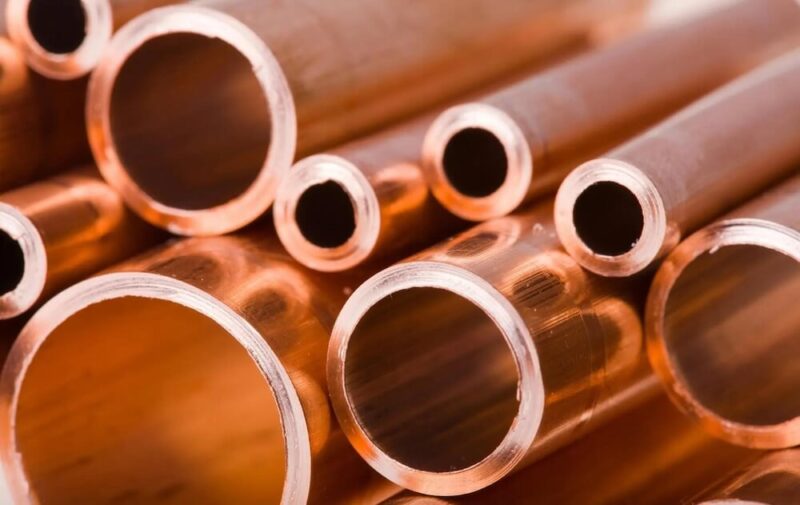
Not all copper tubes are made from the same material. Selecting the appropriate copper grade is one of the first steps toward producing a reliable finned tube.
Depending on the application and applicable standards, commonly used copper grades include C12200 and C11000. Each has different material characteristics and is suitable for different engineering requirements.
When selecting copper tubes, several factors deserve attention:
- Copper grade and chemical composition.
- Thermal conductivity.
- Mechanical properties.
- Material condition and workability.
- Suitability for the intended operating environment.
For example, a copper tube used in a conventional HVAC heat exchanger may have different requirements from one designed for a specialized industrial application.
One important point is that a higher copper grade or a more expensive material does not automatically mean a better product. The right material is the one that matches the customer’s actual application, operating conditions, and engineering requirements.
- Tube Wall Thickness: Small Differences Can Have a Big Impact
Tube wall thickness is another critical factor in finned copper tube manufacturing.
It affects the tube’s mechanical strength, pressure resistance, material consumption, and overall product design. If the wall thickness is insufficient or inconsistent, problems may occur during manufacturing or under actual operating conditions.
Buyers should pay attention to:
- Nominal wall thickness.
- Wall thickness tolerance.
- Uniformity along the tube length.
- Compatibility with the design pressure and operating temperature.
It is also worth noting that thicker does not automatically mean better.
Excessive wall thickness may increase material costs without providing meaningful benefits to the application. The ideal specification should be determined by engineering requirements rather than simply choosing the thickest available option.
From a manufacturing perspective, maintaining consistent wall thickness is just as important as achieving the specified nominal dimension. Consistency helps ensure stable processing and predictable product performance.
- Fin Material: An Important Part of the Heat Exchange Structure
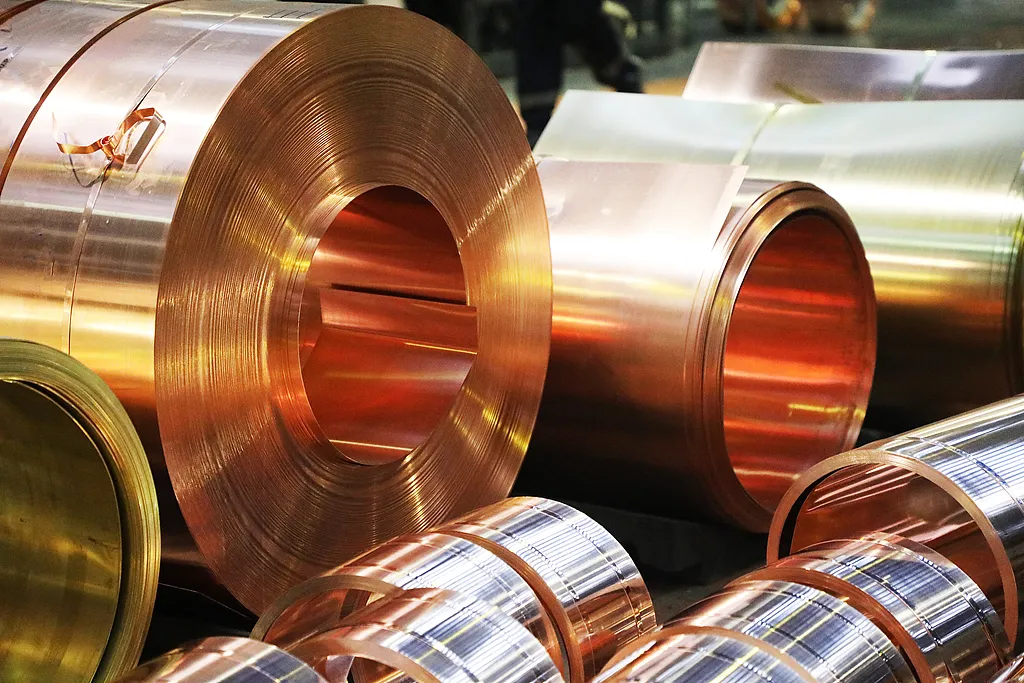
When discussing finned copper tubes, attention is often focused on the copper base tube. However, the fin material deserves just as much consideration.
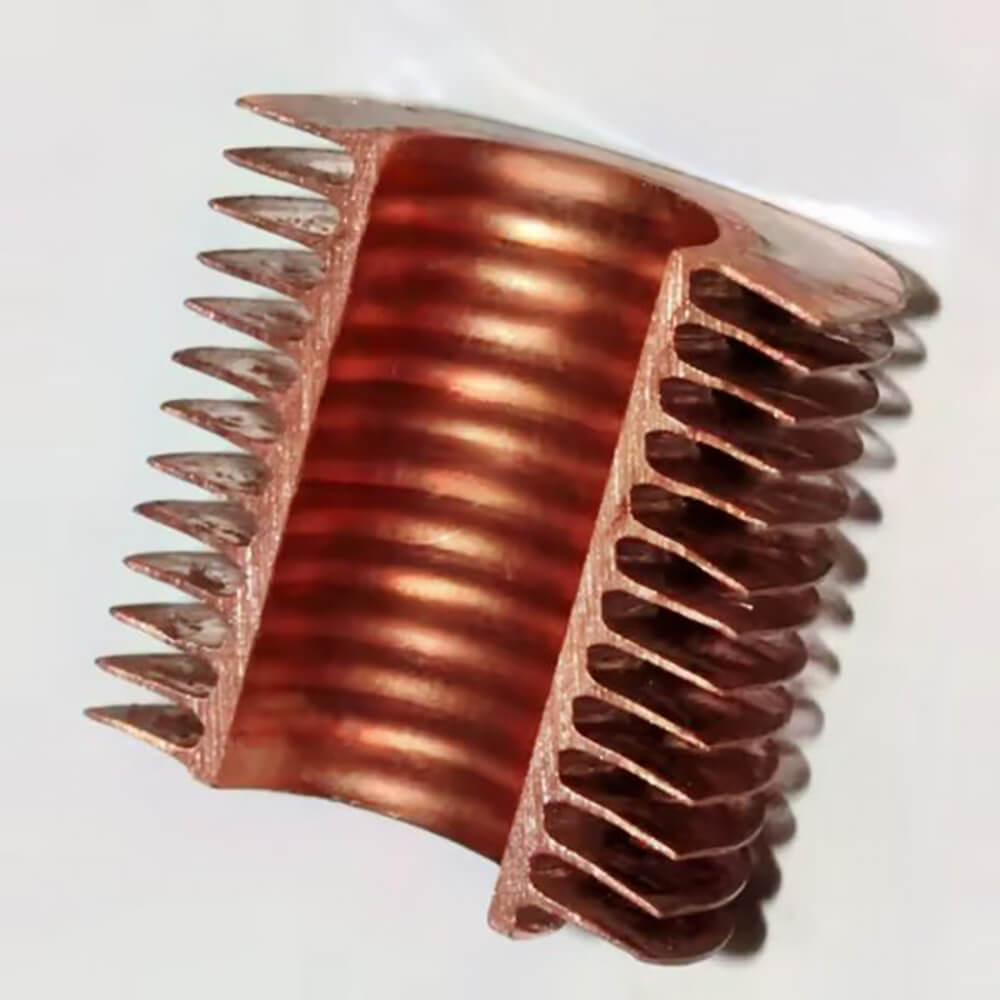
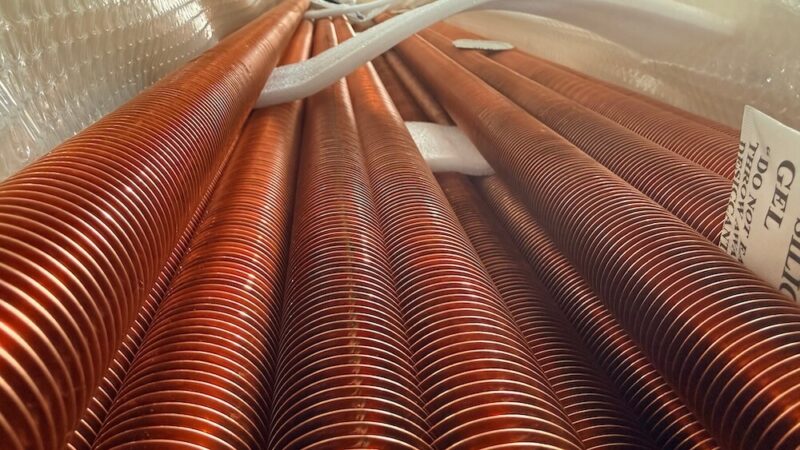
Fins increase the heat transfer surface area and play an important role in the overall performance of a heat exchanger. Depending on the design, they can be manufactured from copper, aluminum, or other specified materials.
Different fin materials offer different advantages in terms of:
- Thermal conductivity.
- Corrosion resistance.
- Mechanical properties.
- Forming characteristics.
- Material and manufacturing costs.
For example, copper fins and aluminum fins have different thermal and economic characteristics. The right choice depends on the heat exchanger design and the actual operating environment.
Fin strip thickness and material consistency are also important. Variations in thickness or material properties may affect the finning process and the uniformity of the finished product.
In our experience, choosing the right fin material is not simply a cost decision. It is part of achieving the right balance between heat transfer performance, product durability, and overall manufacturing efficiency.
- Material Consistency: Quality Is More Than a Good First Impression
A material may meet its basic specifications, but that alone does not guarantee consistent manufacturing results.
For long-term production, material consistency is extremely important.
Copper tubes with inconsistent dimensions, mechanical properties, or surface conditions may behave differently during the finning process. This can lead to production difficulties, dimensional variations, or inconsistent finished products.
The same applies to fin materials. Variations in thickness, hardness, and surface condition may affect forming stability and the final fin structure.
For buyers purchasing in larger quantities, consistency from batch to batch is particularly important. A sample that performs well is encouraging, but maintaining the same quality throughout repeated production orders is what really matters.
We believe that manufacturing quality should be measured not only by how good one finished tube looks, but also by how consistently the same standard can be maintained across every order.
- Surface Condition: Don’t Overlook the Details
The physical condition of raw materials is another factor that should not be underestimated.
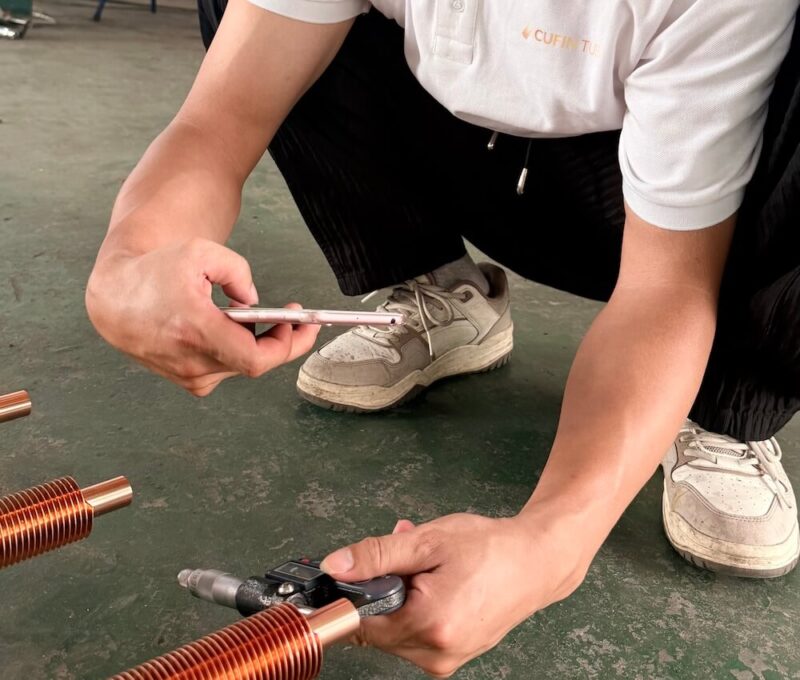
Before production, copper tubes should be checked for:
- Surface scratches and dents.
- Oxidation and contamination.
- Deformation.
- Dimensional irregularities.
- Other defects that may affect subsequent processing.
Fin materials also require attention to surface condition and thickness uniformity.
These issues may seem minor, but they can create unnecessary difficulties during production. Depending on the severity and location of the defects, they may affect the appearance, dimensional accuracy, or quality of the finished finned tube.
A reliable manufacturing process therefore starts with carefully selected materials and proper incoming inspection, rather than waiting until the finished product is ready to identify problems.
- How Raw Material Quality Influences the Entire Manufacturing Process
Raw material quality does not stop mattering once production begins. In fact, its influence continues throughout the entire manufacturing process.
Consider the relationship between materials and finished products:
Copper Tube Quality
A stable copper tube provides a better foundation for subsequent processing and helps maintain consistent tube dimensions and mechanical properties.
Fin Material Quality
Consistent fin material supports stable forming and helps achieve uniform fin thickness, height, and spacing.
Material Compatibility
The base tube and fin material must be suitable for the selected finning process and intended operating conditions.
Manufacturing Stability
Consistent raw materials help reduce unnecessary production adjustments, material waste, and quality variations.
This is why raw material selection should never be treated as a minor purchasing decision. It is one of the foundations of a stable manufacturing process.
Our Perspective: Good Finned Copper Tubes Start Before Manufacturing
At our company, we believe that producing reliable finned copper tubes is not simply about having advanced machinery or experienced operators. It starts with choosing the right materials and understanding how those materials will perform throughout the manufacturing process.
A sophisticated finning machine cannot completely compensate for inconsistent raw material quality. Likewise, an attractive price means little if the materials do not meet the customer’s actual engineering requirements.
We also believe that the best material is not necessarily the most expensive one. It is the material that delivers the right performance, meets the technical specifications, and provides a reasonable balance between quality and cost.
For buyers, our practical suggestion is simple: when comparing finned copper tube suppliers, look beyond the quoted price. Pay attention to the copper grade, wall thickness, fin material, material consistency, and how carefully the manufacturer controls its production process.
In the end, reliable heat exchanger performance begins with reliable materials. Good manufacturing starts long before the first fin is formed.