In industries that rely on efficient heat transfer, such as HVAC, automotive, and power generation, integrally finned tubes are an essential component for optimizing thermal exchange. The unique design of these tubes—where the fins are mechanically attached to the tube surface—provides superior performance and enhances the overall efficiency of heat exchangers. But how exactly are these integrally finned tubes manufactured? In this blog, we’ll walk through the manufacturing process, the materials involved, and the reasons why integrally finned tubes are so effective in heat exchange applications.
What Are Integrally Finned Tubes?
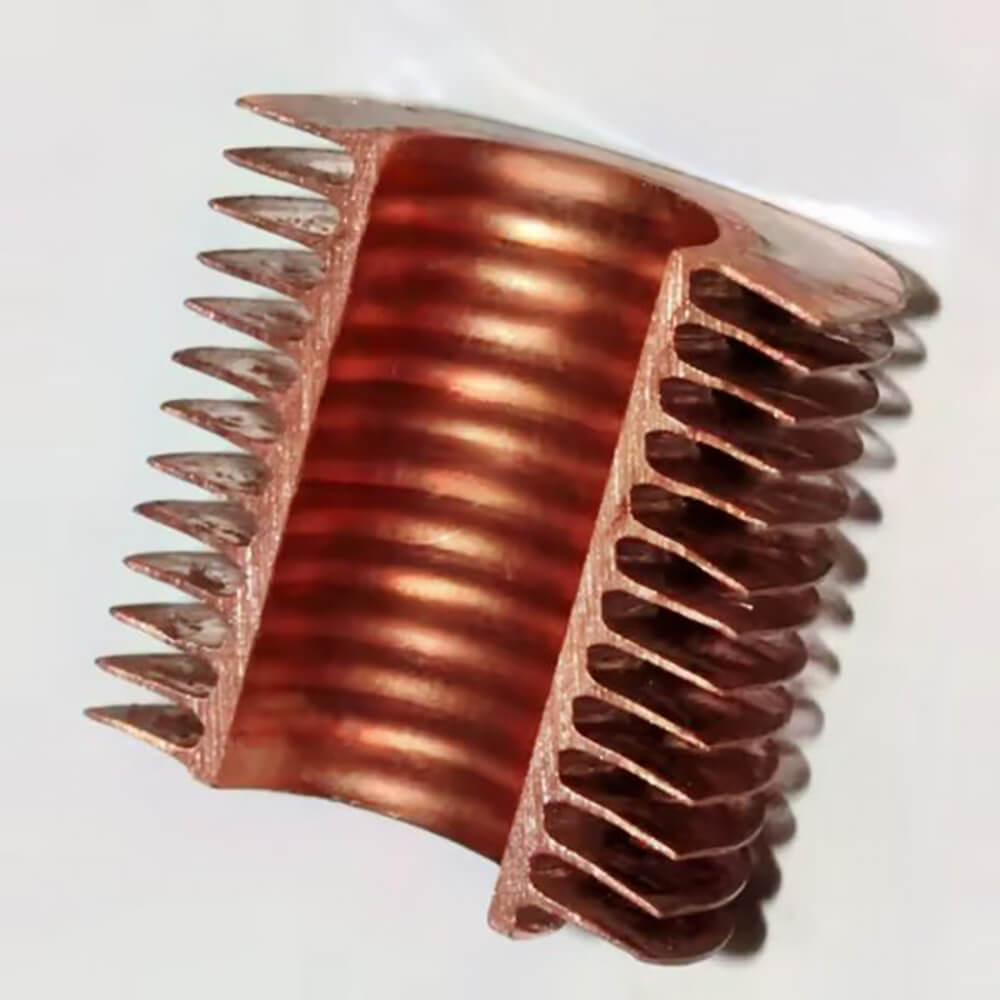
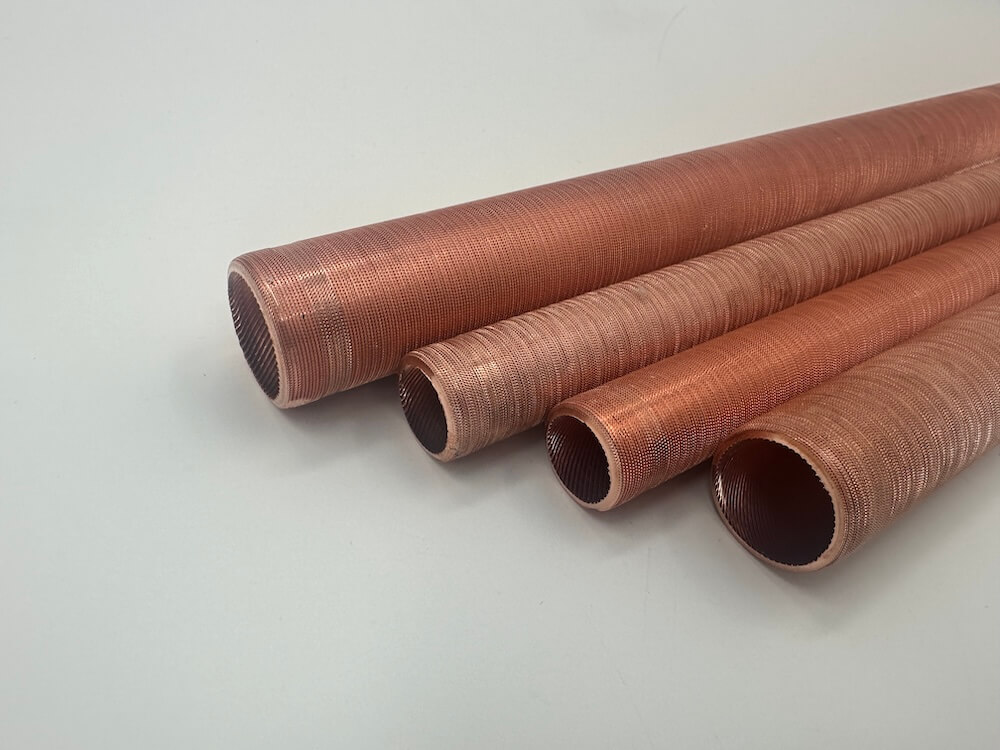
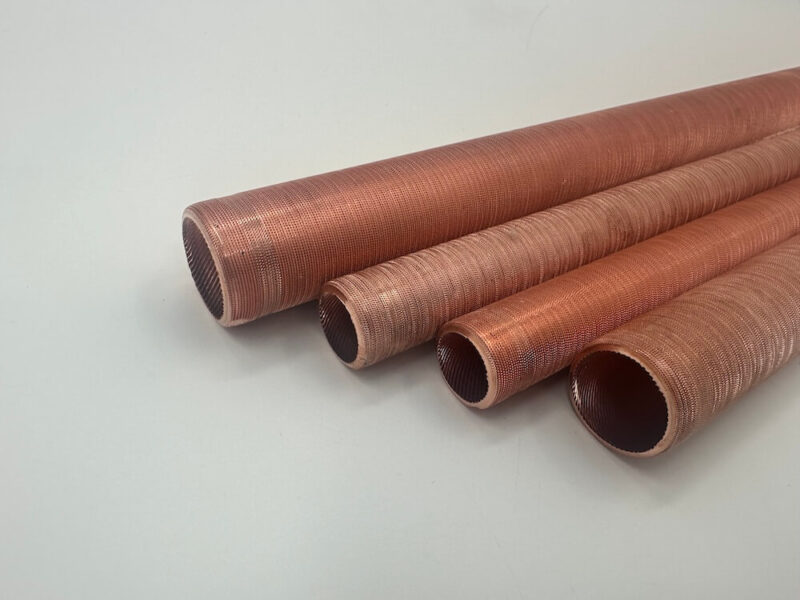
Before diving into the manufacturing process, it’s important to understand what integrally finned tubes are. These tubes are characterized by having fins integrated directly into the surface of the tube. Unlike conventional finned tubes where the fins are attached to the surface via welding or brazing, integrally finned tubes are produced with fins that are either formed directly from the tube material or mechanically bonded to the tube during manufacturing.
Integrally finned tubes are widely used in applications where heat transfer efficiency is paramount. They are often found in heat exchangers, cooling coils, and radiators, where they help dissipate heat quickly and efficiently. Their ability to increase surface area allows for superior heat transfer, making them a preferred choice in many industrial and commercial applications.
Step 1: Material Selection
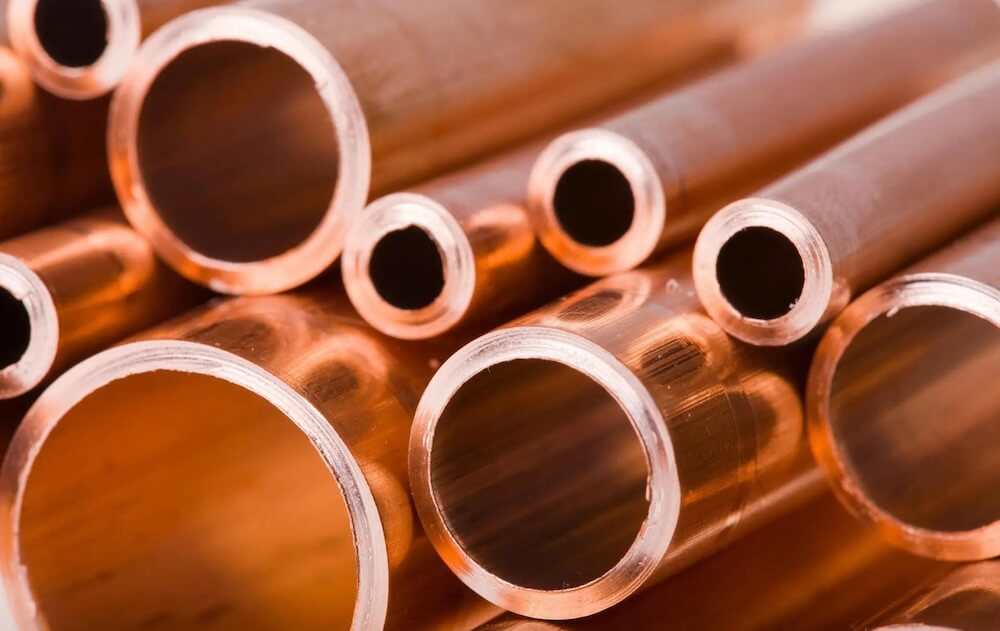
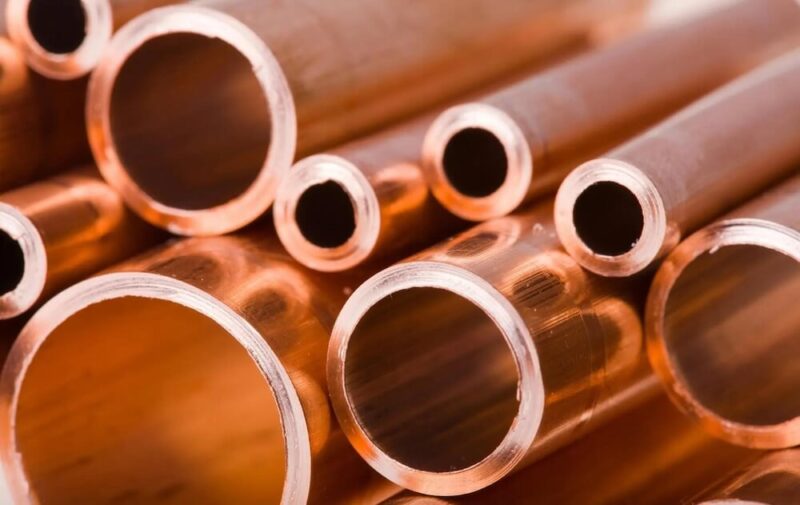
The first step in manufacturing integrally finned tubes is selecting the appropriate materials. The most common materials for integrally finned tubes are copper, aluminum, and steel. The choice of material depends on the application requirements, including the temperature range, pressure conditions, and environmental factors.
- Copper is a popular choice due to its excellent thermal conductivity, corrosion resistance, and malleability. It’s often used in HVAC and refrigeration systems.
- Aluminum is lightweight, corrosion-resistant, and cost-effective, making it ideal for automotive and industrial applications.
- Stainless steel is used in harsh environments due to its durability and resistance to high temperatures and corrosion.
The material is typically extruded or drawn into tubes before proceeding with the next steps in the manufacturing process.
Step 2: Finned Tube Formation
The key differentiator of integrally finned tubes is the fins themselves. The fins are not separately manufactured and attached but are instead formed directly from the tube’s material, either by extrusion or rolling processes.
Extrusion Process
In the extrusion process, a tube of the chosen material is heated to a specific temperature and then forced through a die that shapes the fins. As the material flows through the die, the fins are created and attached directly to the tube’s outer surface. This method is typically used for tubes with aluminum and copper materials, as they are malleable and can be easily shaped through extrusion.
Rolling Process
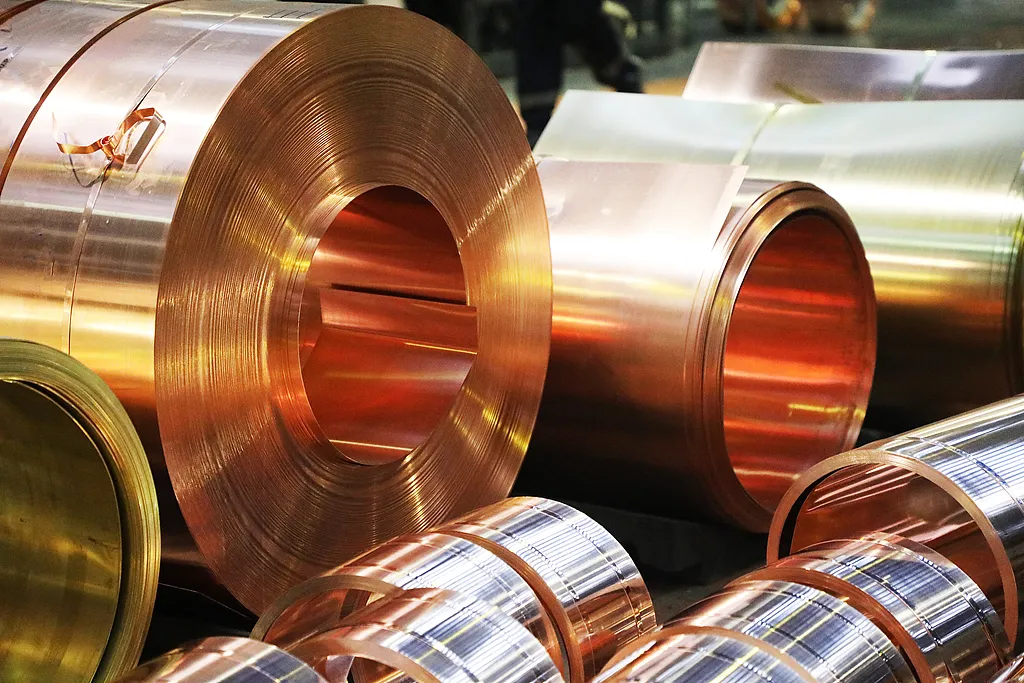
The rolling process, on the other hand, involves mechanically forming the fins by rolling a flat piece of material around the tube. This is typically done for copper and steel tubes, where the tube material is rolled into a coil shape and the finned design is created through this process. The rolling method can create multiple types of fins, including helical, spiral, or plain fins, depending on the application needs.
Both extrusion and rolling are designed to ensure the fins are firmly attached to the tube, maximizing the surface area available for heat exchange.
Step 3: Heat Treatment and Stress Relief
After the fins are formed, the tube undergoes a heat treatment process. This step is crucial to enhance the mechanical properties of the material, including its strength, flexibility, and resistance to corrosion. The heat treatment process can involve annealing, which softens the material, or stress relieving, which helps to eliminate any internal stresses caused by the forming process.
Heat treatment also ensures that the tube’s mechanical properties meet the specific demands of the final application. For example, a copper integrally finned tube may be annealed to increase its malleability, allowing it to handle the expansion and contraction cycles typical in HVAC systems.
Step 4: Surface Treatment and Coating
To further enhance the performance and durability of the integrally finned tubes, a surface treatment or coating is often applied. For corrosion protection, tubes are coated with protective layers such as epoxy or polyester coatings. These coatings help extend the lifespan of the heat exchanger by protecting the fins and tube from harsh environmental conditions, including high humidity, saltwater, or acidic atmospheres.
In addition to corrosion resistance, coatings can also improve heat transfer efficiency by reducing thermal resistance at the interface between the fins and the surrounding air or fluid. For example, black oxide or anodized aluminum coatings can improve emissivity, making the heat exchanger more effective at radiating heat.
Step 5: Quality Control and Testing
Once the integrally finned tubes are manufactured, they undergo rigorous quality control checks to ensure they meet the required specifications. These tests include:
- Visual inspections to check for any defects in the fins or tubes.
- Dimensional checks to verify that the fins are properly formed and the tube dimensions are accurate.
- Pressure testing to ensure the tubes can withstand the pressures they will experience during operation.
- Heat transfer performance testing to evaluate how well the finned tubes perform in transferring heat.
Quality control is critical to ensure the tubes will perform as expected in their respective applications, providing efficient heat exchange and maintaining long-term durability.
Step 6: Final Assembly and Delivery
Once the integrally finned tubes pass quality control, they are ready for final assembly into heat exchangers or other systems. The tubes are often assembled into large heat exchanger units, where multiple finned tubes are connected to create an effective heat dissipation network.
The finished integrally finned tubes are then packaged and delivered to customers or manufacturers for use in various applications. Whether they’re going into industrial HVAC systems, refrigeration units, or automotive radiators, integrally finned tubes are crucial components in achieving efficient and reliable heat transfer.
Why Choose Integrally Finned Tubes?
Integrally finned tubes provide numerous benefits, including:
- Increased heat transfer efficiency: The integrated fins maximize surface area, allowing for superior heat dissipation and absorption.
- Compact design: The fins are integrated into the tube, allowing for a more compact and space-efficient heat exchanger design.
- Durability and longevity: The direct attachment of fins to the tube reduces the chances of fin failure or separation, ensuring long-term performance.
By choosing integrally finned tubes, industries can achieve more effective heat exchange processes, reduce energy consumption, and enhance the overall performance of their heat exchangers.
Conclusion: The Essential Manufacturing Process of Integrally Finned Tubes
Manufacturing integrally finned tubes involves a combination of advanced techniques like extrusion, rolling, heat treatment, and surface coatings. These processes ensure that the tubes offer superior heat transfer efficiency, durability, and performance. With applications spanning across HVAC systems, refrigeration units, automotive cooling, and industrial heat exchangers, integrally finned tubes play an essential role in improving heat exchange capabilities while maximizing space and energy efficiency.
As industries continue to demand more efficient and reliable heat exchangers, the manufacturing of integrally finned tubes remains a key area of focus for achieving optimal thermal performance. Whether you’re looking to optimize your cooling system or enhance the performance of a heat exchanger, integrally finned tubes offer a powerful solution.